The Night Washington Entered Another Political Storm
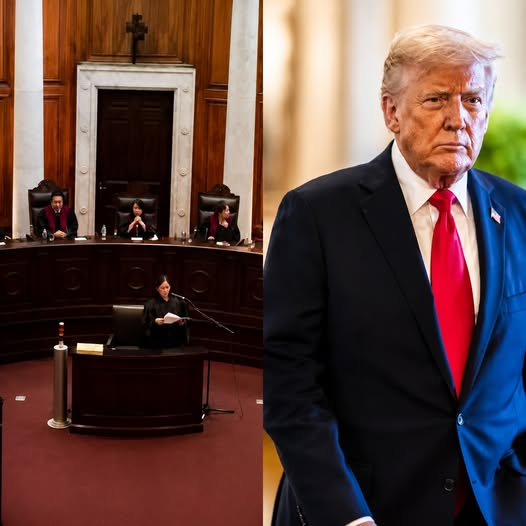
Washington has always been a city where power, history, and conflict collide, but few moments create as much tension as a battle over the limits of presidential authority. As protests, political demands, and public debate intensified around President Donald Trump, the country found itself facing a familiar but deeply divisive question: How much protection should the highest office in America receive, and when should a president be held accountable for actions taken while in power? The debate surrounding presidential immunity became the center of national attention because it represented something much larger than one individual. For supporters, the issue was about protecting the presidency from endless political attacks. For critics, it was about ensuring that no leader, regardless of position, stands above the law. Across America, millions of people watched as legal experts, lawmakers, and citizens debated what accountability should look like in a constitutional republic.
Courts & Judiciary
The controversy became even more intense because it arrived during a period of already deep political division. Demonstrations outside Washington reflected the frustration of people demanding answers and transparency, while Trump’s supporters argued that many accusations against him were politically motivated attempts to weaken a president they believed had been unfairly targeted. The streets around the White House became a symbol of the larger national divide, with opposing groups presenting completely different visions of what justice and democracy required. Behind the protests and headlines was a fundamental struggle over trust — trust in government institutions, trust in the courts, and trust that the rules of the country apply equally to everyone.
The Battle Over Presidential Immunity
Presidential immunity has always been one of the most complicated and controversial issues in American law. The idea behind immunity is based on the belief that presidents must be able to make difficult decisions without constantly fearing personal legal consequences. Supporters of strong protections argue that without immunity, every administration could become trapped in endless investigations after leaving office, creating a situation where political opponents could use the legal system as a weapon. They believe that protecting the independence of the presidency is essential because the office carries responsibilities unlike any other position in government.
Legal
Critics see the issue from a different perspective. They argue that democracy depends on accountability and that powerful leaders must face legal consequences if credible evidence shows they violated the law. They believe that too much protection could create a dangerous situation where a president becomes effectively untouchable. The disagreement is not only about Donald Trump. It is about a constitutional question that could affect every future president: where does legitimate presidential protection end, and where does personal responsibility begin? The answer could shape American politics for generations.
The Supreme Court at the Center of the Debate
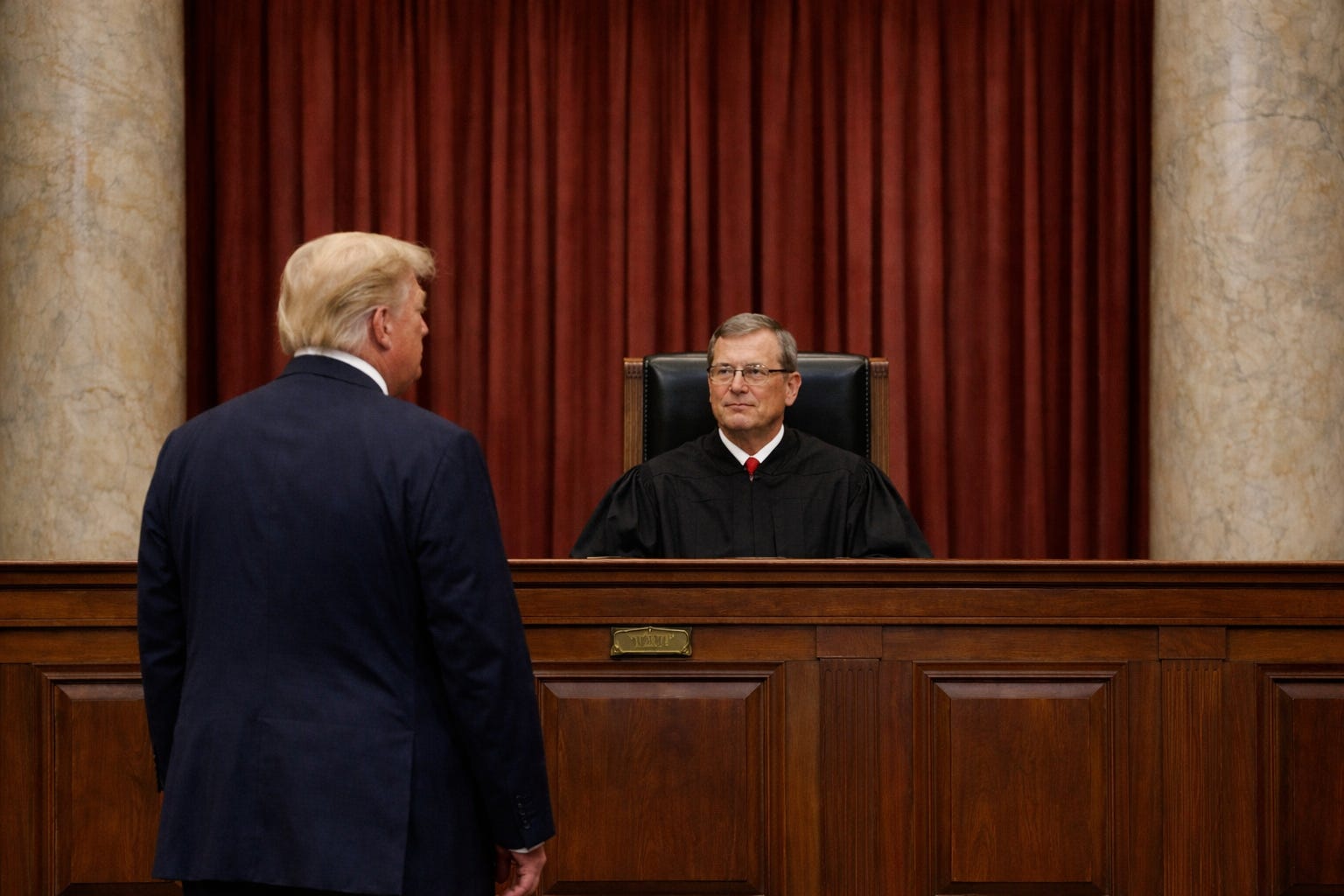
Whenever the Supreme Court becomes involved in a major political dispute, the entire country pays attention because its decisions can reshape the balance of power in America. Unlike political institutions that change with elections, Supreme Court rulings often create lasting legal standards that influence future administrations. A decision involving presidential immunity would not only affect current political battles but could determine how future presidents understand their authority and their legal risks.
Politics (Right)
The Court has historically faced difficult questions involving executive power, national security, and presidential responsibility. Each case requires justices to balance competing principles: protecting the ability of presidents to govern while ensuring that constitutional limits remain meaningful. For Americans watching from outside the courtroom, the debate represents a much larger question about whether institutions can remain trusted during moments of extreme political pressure.
The Protests That Captured National Attention
Outside the White House, demonstrations reflected the anger and frustration of citizens who believed the country needed answers. Protesters called for investigations, transparency, and accountability, arguing that public officials must face scrutiny when serious questions arise. For them, the issue represented the importance of protecting democratic institutions and ensuring that government leaders remain answerable to the people they serve.
However, those supporting Trump viewed the protests through a completely different lens. Many argued that the demonstrations represented another chapter in years of political battles aimed at damaging Trump’s reputation. They believed critics were using controversy and legal challenges to achieve political goals that should instead be decided by voters. The opposing viewpoints showed how deeply divided America had become, with both sides believing they were defending the future of the nation.
The Epstein Controversy and the Demand for Transparency
The name Jeffrey Epstein has remained one of the most controversial subjects in modern public discussions because of his criminal history, his connections to powerful individuals, and the many unanswered questions surrounding his network. Whenever new claims, documents, or allegations emerge, public attention immediately increases because many people want complete transparency about who was involved and what happened.
At the same time, the Epstein-related discussions have highlighted one of the biggest challenges of the modern information age: separating confirmed facts from speculation. Social media can spread information instantly, but speed does not always guarantee accuracy. The demand for accountability must exist alongside the demand for evidence. For many Americans, the larger issue is not simply politics but whether institutions can provide truthful answers when powerful people are involved.
The Controversy Surrounding the White House
The White House is not simply a government building. It is one of the most recognizable symbols of American history, which is why any major change involving the property often creates strong public reactions. Debates surrounding renovations, modifications, or decisions affecting the historic complex can quickly become political because many citizens view the building as belonging to the nation rather than to any individual administration.
Ethics
Supporters of presidential changes often argue that every administration has made updates and improvements over time to meet practical needs. Critics argue that decisions involving historic landmarks require careful transparency and public discussion. The disagreement reflects a broader debate about presidential authority and whether leaders should have wide discretion when managing symbols of national importance.
A Presidency Under Constant Examination
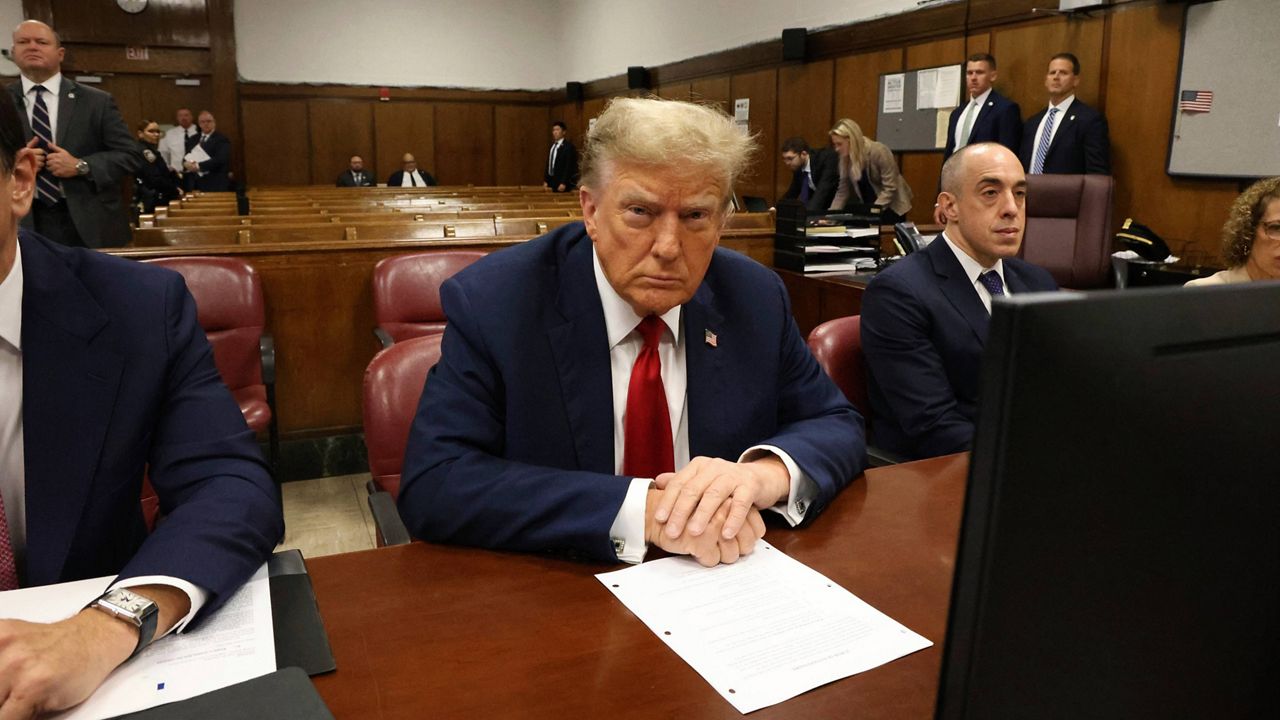
Few modern presidents have experienced as much public scrutiny as Donald Trump. From his first days in national politics, his presidency has been surrounded by intense debate, passionate support, and fierce opposition. Every decision has been examined through a political lens, creating an environment where supporters and critics often interpret the same events in completely different ways.
Courts & Judiciary
For supporters, Trump represents a challenge to traditional political systems and a leader willing to confront institutions they believe have failed ordinary Americans. For critics, his presidency has raised concerns about norms, accountability, and the limits of executive power. The ongoing debate reflects a larger struggle over what Americans expect from their leaders and what responsibilities come with holding the highest office in the country.
A Nation Divided Over Justice and Power
The reaction across America revealed a country deeply divided not only over Donald Trump but over fundamental ideas about government itself. Some citizens believe strong presidential protections are necessary to prevent political revenge and instability. Others believe accountability must come before protecting any individual leader.
This division has created a difficult environment for institutions that are expected to operate independently. Courts, lawmakers, and government officials face enormous pressure from citizens who often see decisions through the lens of their political beliefs. The challenge for democracy is maintaining confidence in these institutions even when people strongly disagree with their outcomes.
The Future of Presidential Power
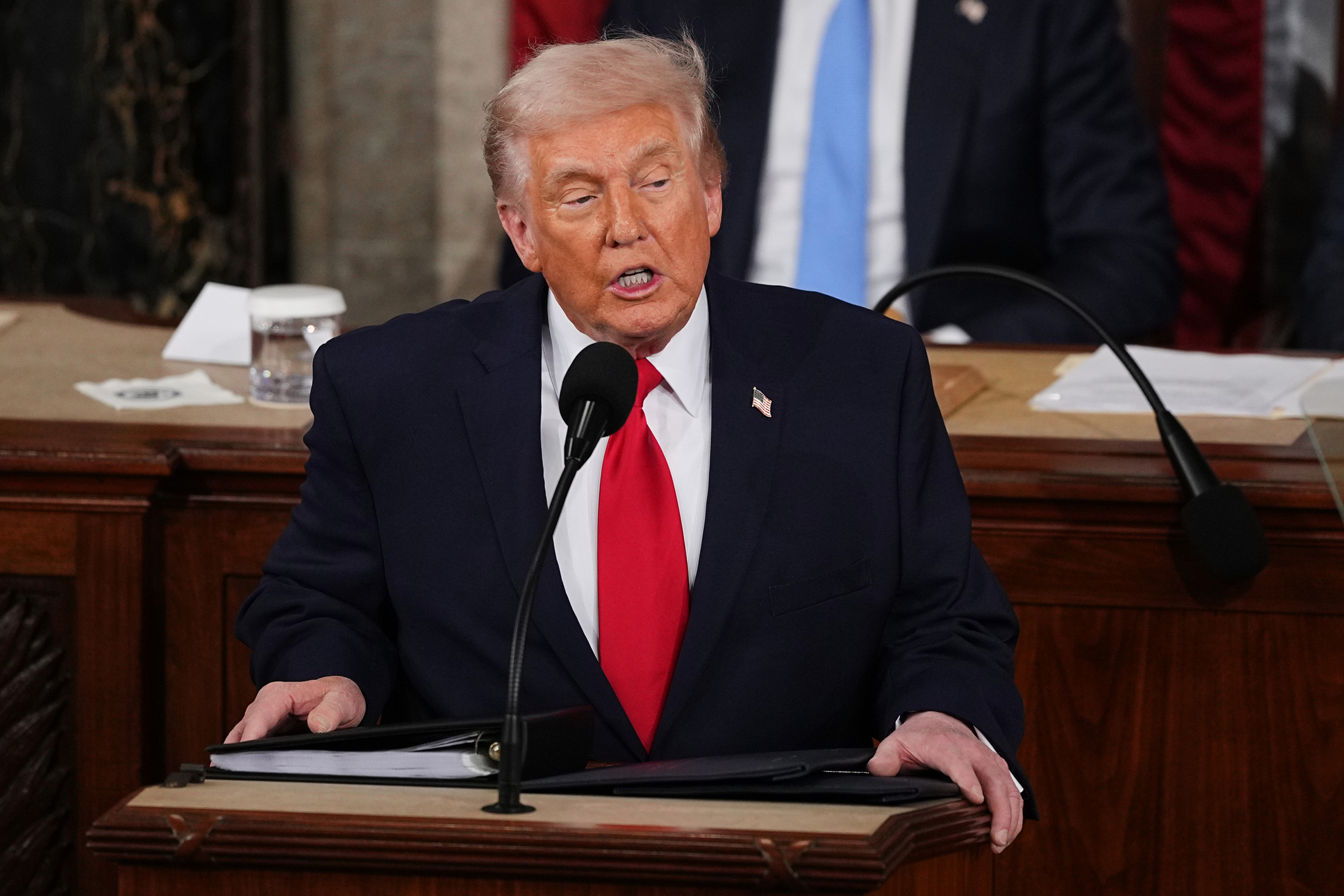
The questions surrounding presidential immunity and accountability will likely continue influencing American politics long after current controversies fade. Every legal decision, political debate, and public reaction contributes to a larger conversation about the future of executive power.
The United States has faced similar moments throughout history when citizens questioned whether leaders had gone too far or whether institutions had gone too far in challenging them. These moments often become defining tests of democracy because they reveal whether the nation’s systems are strong enough to handle disagreement and conflict.
The Moment That Will Shape History
Political battles eventually become history, but the questions they raise often remain. The debate surrounding Donald Trump, presidential immunity, public protests, and government accountability represents a defining moment in America’s ongoing struggle to balance leadership with responsibility.
Regardless of political opinion, one truth remains: democracy depends on rules, institutions, and public trust. Leaders come and go, but the principles that govern the country must endure. The decisions made during moments of intense conflict often determine how future generations understand the meaning of power, justice, and accountability in America.